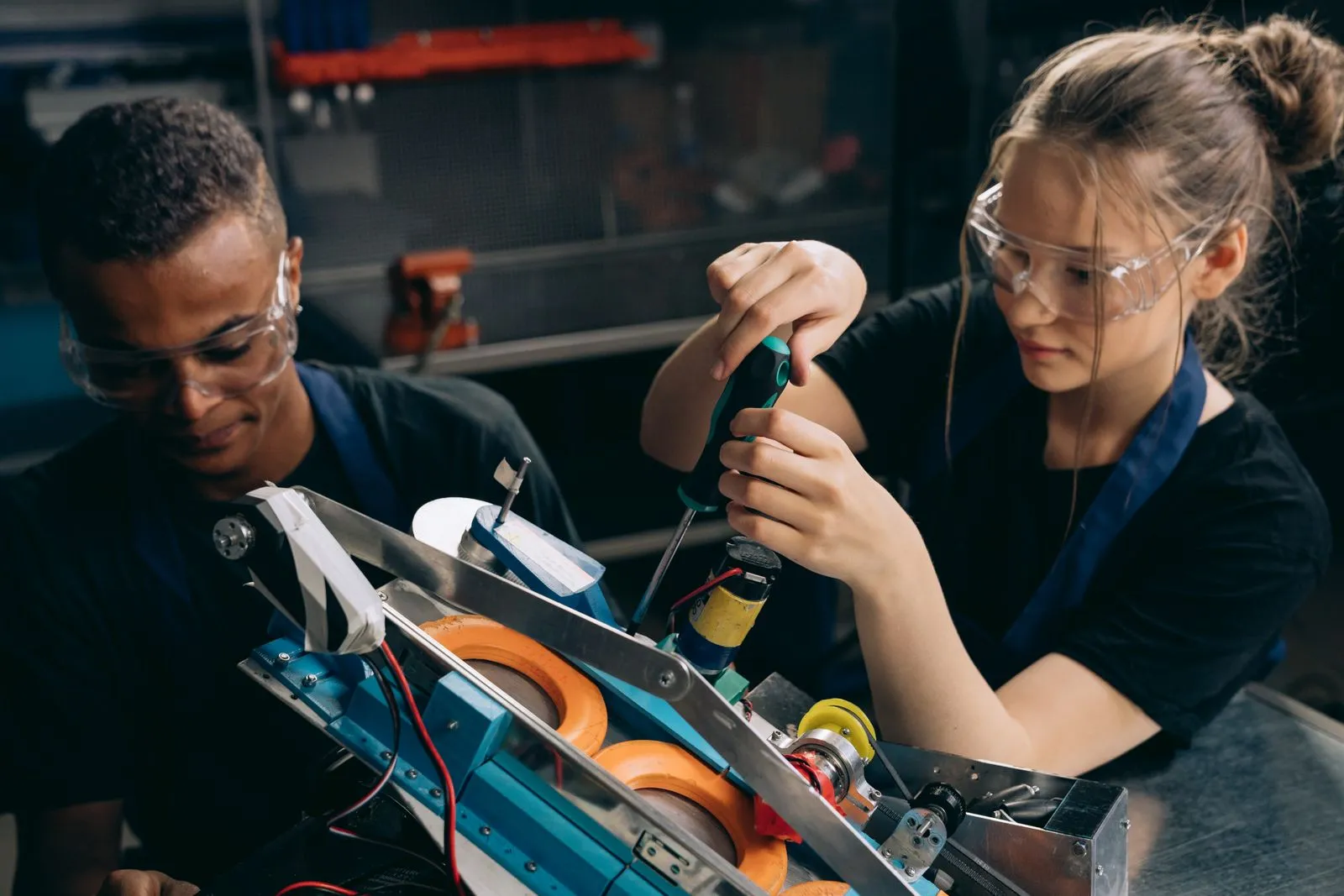
Competition day rewards more than a clever robot. Teams also need repeatable driving, reliable mechanisms, a clear plan for earning points, and calm communication under pressure. A preparation routine helps you find weak spots while there is still time to fix them. Start by reviewing the event rules and scoring system, then organize practice around the tasks that matter most. The goal is not to make every run perfect; it is to make the robot and team dependable.
Build a Consistent Practice Routine
Set a regular practice schedule and give each session a clear purpose. One session might focus on driving accuracy, while another tests a specific attachment or autonomous sequence. Begin with a short setup check, run the planned exercises, and finish by recording what worked and what needs attention. A written routine keeps practice focused and makes progress easier to compare.
Rehearse on a field that matches the competition layout as closely as possible. Mark boundaries, obstacles, starting positions, and scoring areas if official materials are available. Practice from the same starting conditions each time, then repeat successful runs to see whether the result is dependable. Once the basics hold up, add realistic pressure, such as a timer or limited attempts.
Test the Robot Systematically
Test the whole robot, not just its most impressive feature. Check wheels, fasteners, wiring, batteries, sensors, code, and attachments before running the key tasks. Look for loose connections, unexpected movement, overheating, or parts that shift after repeated use. Keep a simple log of each issue, its likely cause, and the fix so the team can confirm that the repair worked.
Repeat the same task several times under similar conditions. If results vary, change one factor at a time—such as speed, sensor position, or code timing—so you can identify what affects performance. Test low-battery behavior and practice recovery steps for common failures. Pack approved tools and spare components, but avoid making untested changes shortly before the event.
Plan Tasks Around Scoring
Read the current rules carefully and translate them into a short list of tasks, point values, constraints, and penalties. Confirm details such as where the robot may start, when a task counts, and what actions are prohibited. Then rank tasks by value, time, difficulty, and reliability. A plan built around repeatable scoring is usually more useful than one that depends on completing every possible action.
Break the match into a sequence the drivers can remember: starting position, first objective, next movement, and a safe finish. Decide which tasks are essential and which are optional if time remains. Run the sequence with a timer, note where delays occur, and simplify steps that add risk without enough benefit. Keep a backup plan for a failed mechanism or blocked route.
Strengthen Teamwork Before Event Day
Assign clear roles for driving, operating the robot, monitoring time, handling repairs, and reviewing rules. Each person should know who makes a decision when plans change. Practice concise callouts and agree on the terms you will use for positions, tasks, and problems. During a timed run, one clear instruction is easier to act on than several people giving directions at once.
Hold a short run-through of event-day routines, including setup, inspection, match preparation, and post-match notes. Make a checklist for batteries, controller, robot, tools, required documents, and team supplies. After each practice match, discuss one success and one adjustment without assigning blame. The Fort Worth Robotics Club can help local teams find a structured setting for continued practice and preparation.
Prepare by practicing repeatable skills, testing the robot as a complete system, prioritizing reliable scoring tasks, and agreeing on how the team will communicate. Use checklists and practice notes to turn problems into specific next steps. With a clear routine in place, your team can arrive ready to adapt. Consider scheduling a practice session with a local robotics club before competition day.